
Grant-in-Aid for Transformative Research Areas (A) 2024.4-2029.3

Area Events
- HOME
- Events:Area Events
The 5th International Symposium will be held in February.
2025.12.16

The 5th Symposium on Multicellular Neurobiocomputing
“The 5th Symposium on Multicellular Neurobiocomputing” will be held jointly with The 14th RIEC International Symposium on Brain Functions and Brain Computer.
Date: February 27-28, 2026
Format: Hybrid
On-site venue: Research Institute of Electical Communication, Tohoku University (Sendai, Japan)
Oral sessions will be broadcasted live via Zoom Meeting, and participants can choose to join either onsite or online.
Poster sessions will be held only at the onsite venue.
Please register via the application form above.
→ Free of charge. (Registration required)
Author Registration is due Dec. 26th (1page abstract required).
Non-author registration for onsite participation is due Jan. 16th.
Non-author registration for online participation is open until the end of the symposium.
Invited Speakers
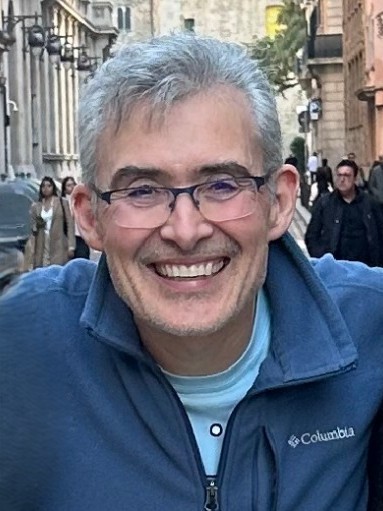
(Indiana Univ., USA)
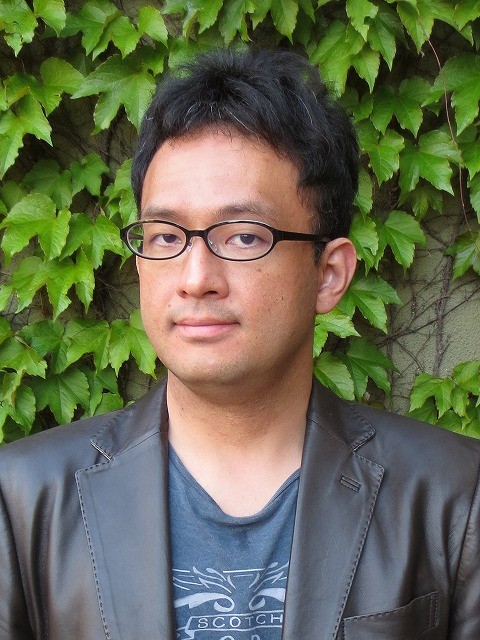
(Nanyang Tech. Univ., Singapore)
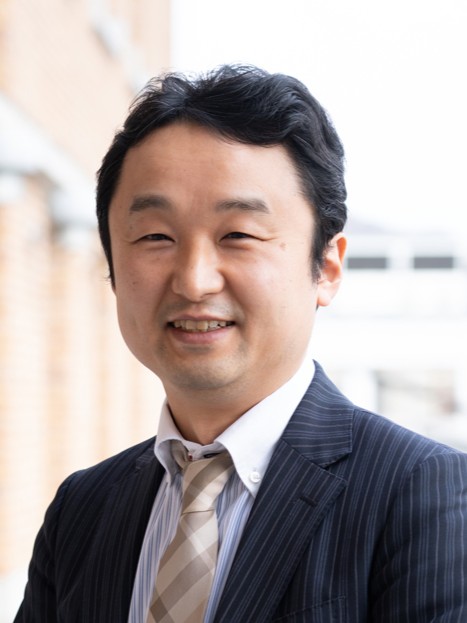
(Kobe Univ., Japan)

(Keio Univ, Japan)
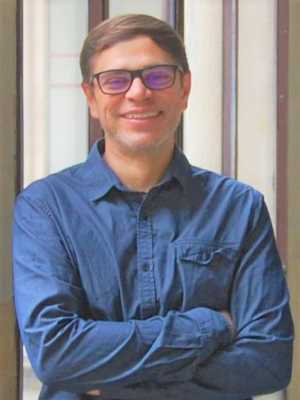
(University of Barcelona, Spain)

Speakers
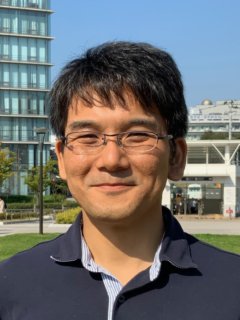
Naoya Fujiwara
(Group A01-1 Co-I: Tohoku Univ., Japan)
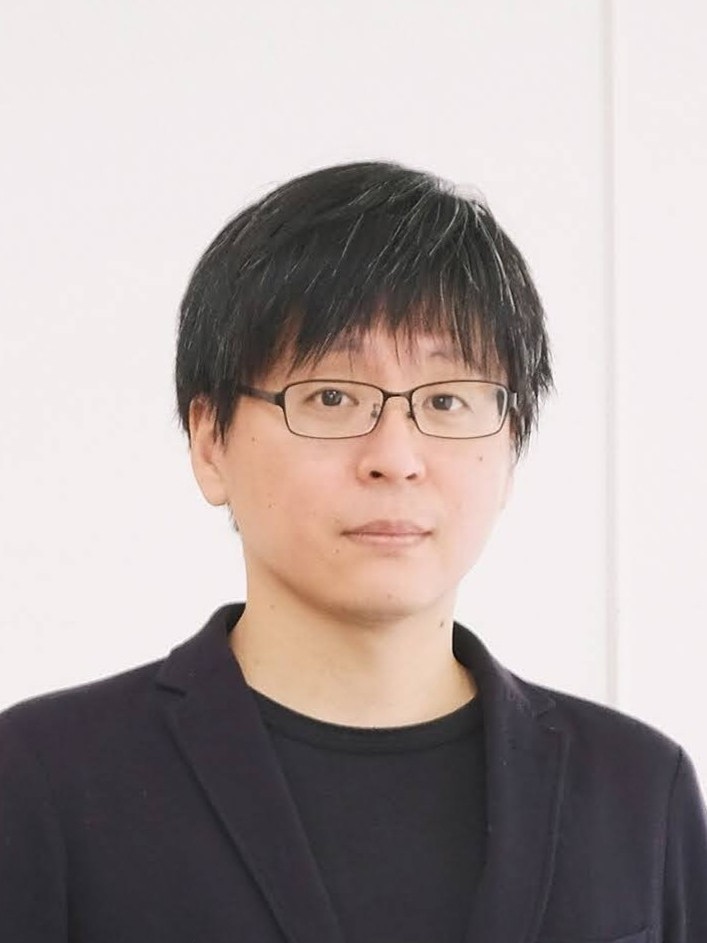
Shuhei Ikemoto
(Group A04-3 PI: Kyushu Inst. Tech., Japan)
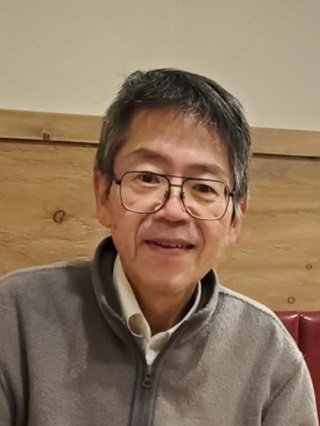
Haruyuki Kamiya
(Group A03-2 PI: Hokkaido Univ., Japan)
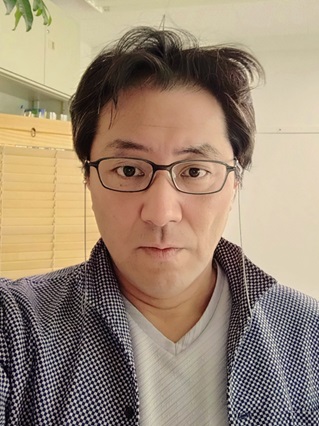
Shin-ya Kawaguchi
(Group A02-4 PI: Kyoto Univ., Japan)
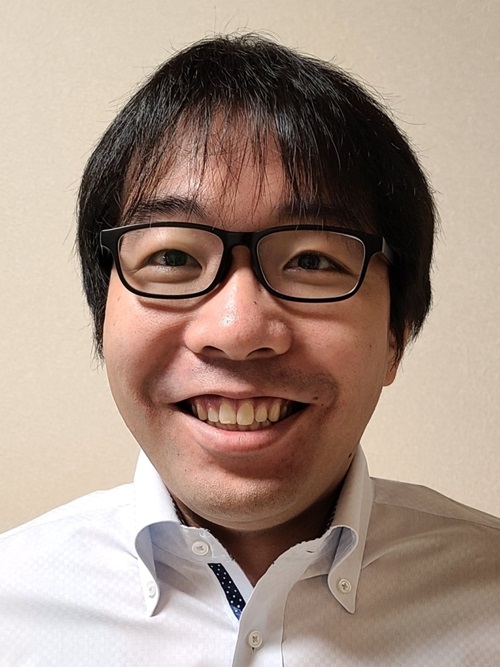
Yuya Morimoto
(Group A02-2 Co-I: Waseda Univ., Japan)
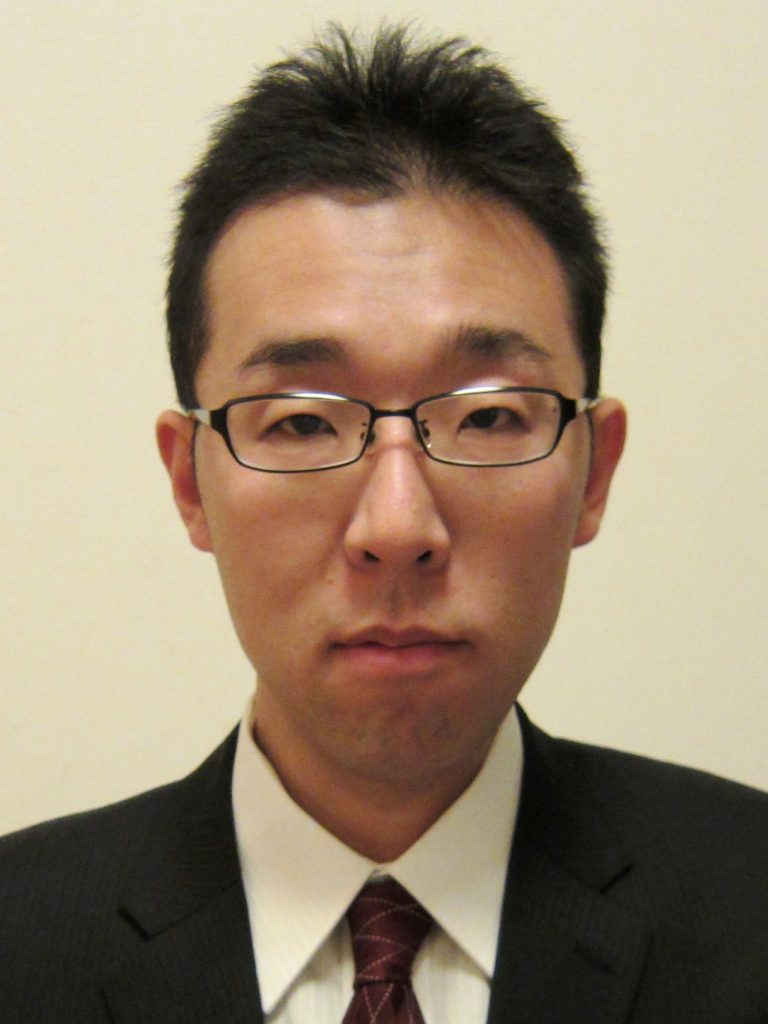
Kenji Morita
(Group A01-3 PI: Univ. Tokyo., Japan)
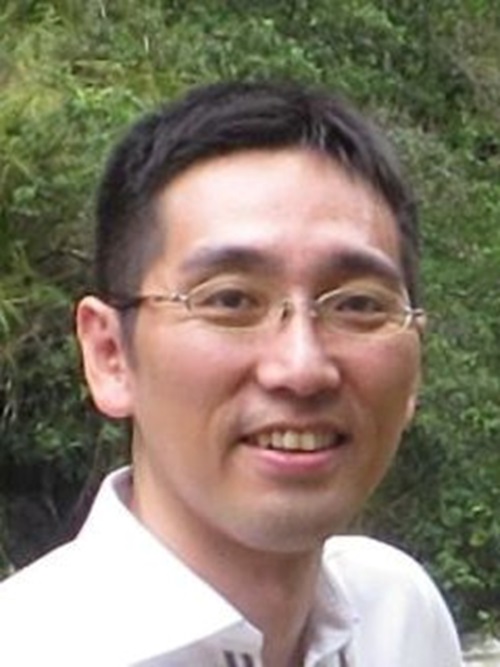
Hirotsugu Okuno
(Group A04-2 Co-I: Osaka Inst. Tech., Japan)
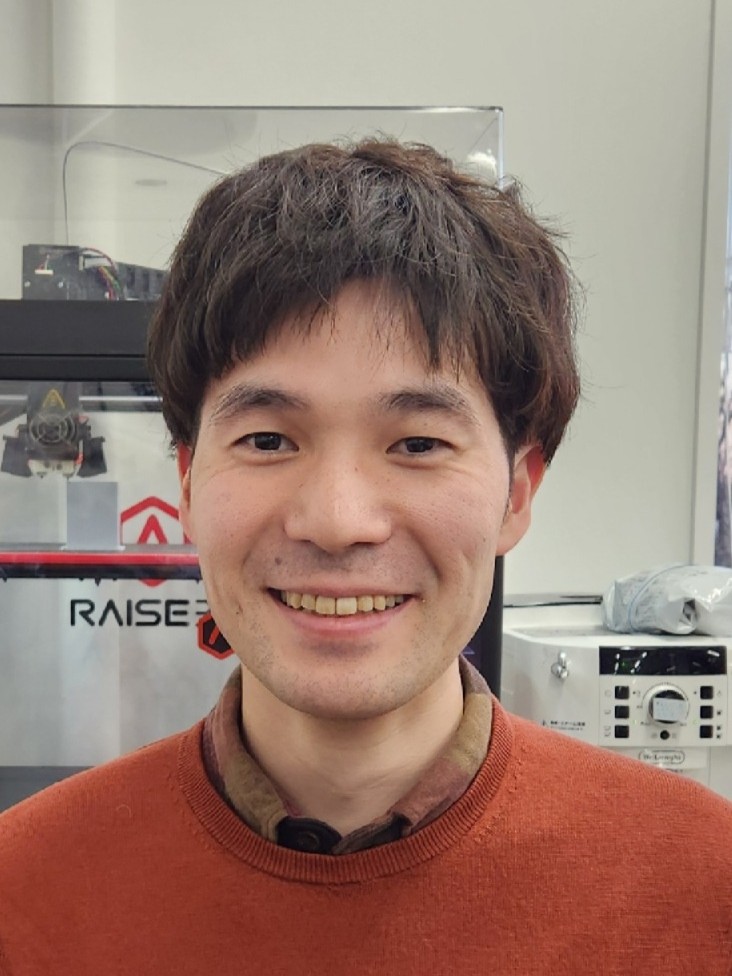
Shun Araki
(Funamizu Group: Univ. Tokyo, Japan)
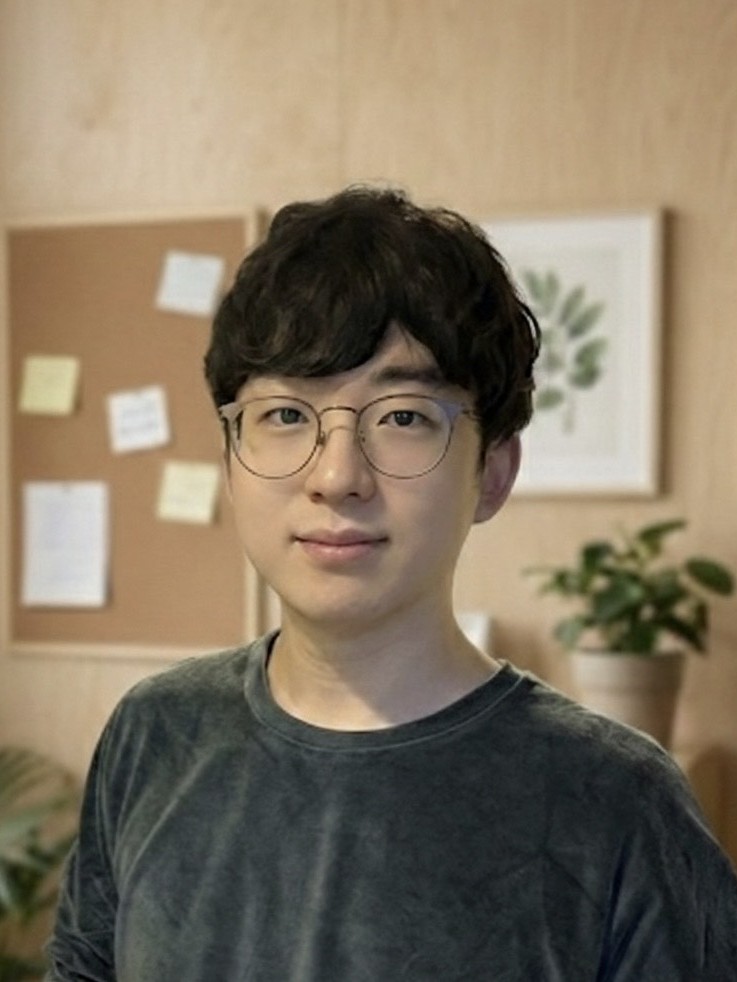
Tetsuhiko Kashima
(Ikegaya Lab: Univ. Tokyo, Japan)
Poster Presentations
- A01-1 Katori Group (Future Univ. Hakodate, Japan)
◆ S. Tanaka, H. Kato, H. Yamamoto, Y. Katori
◆ T. Otsu, Y. Katori
◆ S. Nabatame, R. Hosaka (Hosaka Lab: Shibaura Inst. Tech., Japan)
- A01-3 Kurikawa Group (Future Univ. Hakodate, Japan)
◆ M. Nakamura, T. Kurikawa
- A01-3 Nobukawa Group (Chiba Inst. Tech., Japan)
◆ A. Fujimoto, S. Nobukawa, Y. Sakemi, K. Aihara
◆ A. Ueno, Y. Higuchi, S. Tamura, S. Nakajima, Y. Okamoto, Y. Hirano, S. Nobukawa
- A02-1 Yamamoto Group (Tohoku Univ., Japan)
◆ D. Noe, H. Yamamoto, Y. Katori, S. Sato
◆ Y. Nishi, H. Yamamoto, S. Sato
- A02-2 Tanii Group (Waseda Univ., Japan)
◆ Y. Kuwabara, Y. Sato, K. Oishi, T. Tanii
◆ T. Kuroki, T. Yamada, Y. Sato, T. Tanii
◆ Y. Sato, H. Yamamoto, T. Tanii
◆ X. Gao, K. Okasaki, H. Ohashi, T. Sakurai, Y. Morimoto (Morimoto Lab: Waseda Univ., Japan)
◆ R. Mitsui, Y. Morimoto (Morimoto Lab: Waseda Univ., Japan)
- A02-3 Hirano-Iwata Group (Tohoku Univ., Japan)
◆ K. Watanabe, H. Yamamoto, T. Sumi, H. Murota, H. Osaki, K. Kawamoto, T. Matsui, Y. Masamizu, S. Sato, A. Hirano-Iwata
- A02-4 Takahashi Group (Univ. Tokyo, Japan)
◆ K. Takehana, D. Akita, H. Takahashi
- A03-1 Masamizu Group (Doshisha Univ., Japan)
◆ K. Tezuka, H. Osaki, K. Nishimura, S. Terada, M. Matsuzaki, Y. Masamizu
- A03-2 Kamiya Group (Doshisha Univ., Japan)
◆ K. Uchino, H. Kawano, R. Fujikawa, T. Watanabe, K. Iwasaki, S. Katsurabayashi (Katsurabayashi Lab: Fukuoka Univ., Japan)
- A04-1 Kohno Group (Univ. Tokyo, Japan)
◆ S. Furuichi, T. Kohno
◆ H. Kurimoto, T. Kohno
◆ E. Trombetta, T. Kohno
◆ Z. Yang, T. Kohno
◆ M. Chae, T. Kohno
- A04-2 Hirata Group (Univ. Tokyo, Japan)
◆ T. Yamanaka, Y. Hirata
◆ Y. Tanimura, H. Okuno (Okuno Lab: Osaka Inst. Tech., Japan)
◆ Y. Sakata, H. Okuno (Okuno Lab: Osaka Inst. Tech., Japan)
◆ Y. Tanimura, H. Okuno (Okuno Lab: Osaka Inst. Tech., Japan)
◆ T. Nagasaki, Y. Hayashida, S. Yasukawa (Yasukawa Lab: Kyutech, Japan)
- A04-3 Ikemoto Group (Kyushu Inst. Tech., Japan)
◆ K. Wada, S. Ikemoto
- A04-3 Tabata Group (Univ. Tokyo, Japan)
◆ R. Sonetaka, M. S. Sarker, Z. Liao, H. Tabata
◆ Y. Okada, Z. Liao, H. Tabata
- Ikegaya Lab (Univ. Tokyo, Japan)
◆ R. Yoshida, K. Yamashiro, N. Matsumoto, Y. Ikegaya
◆ M. Uemura, H. Mizuno, Y. Ikegaya, T. Kashima
- Soriano Lab (Univ. Barcelona, Spain)
◆ L. Barjuan, Y. Nishi, H. Yamamoto, M.Á. Serrano, J. Soriano
◆ M. Olives-Verger, J. Soriano
Technical Program (All times listed in JST [GMT +09:00])
Please refer to the link for the program below.
Social Program
- Feb. 27 th (Fri) : Banquet (evening)
Past Events
The 1st (kick-off) Symposium
The 2nd Symposium
The 3rd Symposium
The 4th Symposium
We will organize a workshop at ICONIP2025.
2025.05.26
ICONIP2025 Workshop
Frontiers and Hardware Applications of Neural Network Models
Neural networks have revolutionized various fields, including artificial intelligence, computational neuroscience, and hardware-based computing. This workshop, organized as part of at the 32nd International Conference on Neural Information Processing (ICONIP2025), aims to explore cutting-edge developments in neural network models, their biological foundations, and their implementation in hardware. The workshop will bring together experts from diverse disciplines to discuss advancements in neural dynamics, reservoir computing, robotics, and hardware-based implementations of neural computations.
Date: November 24, 2025
Time: 9AM-12PM
On-site venue: B250 (144)
Abstract submission
A camera-ready one-page abstract in PDF or MS Word format must be submitted via the submission form by Sept. 12th Oct. 31st (extended).
Presentation format: Poster presentation.
Abstract book
Invited Speakers
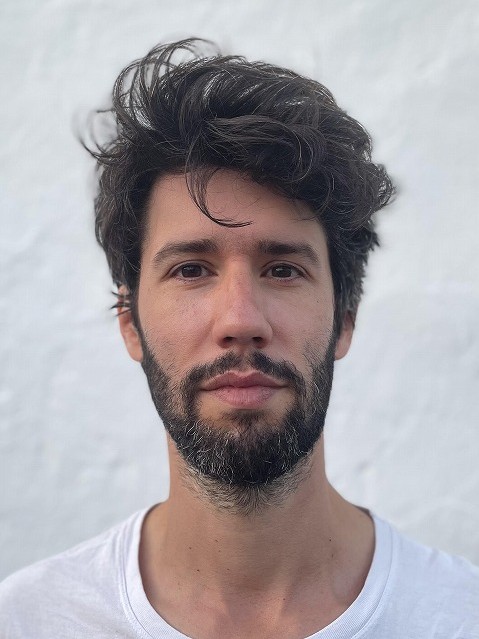
(ICL, UK)
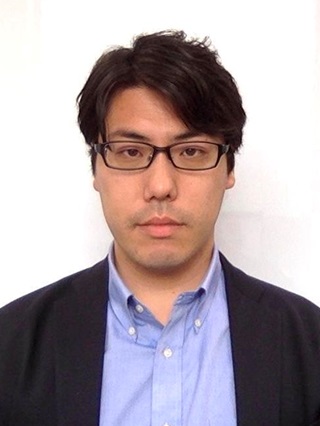
(Osaka Univ., Japan)
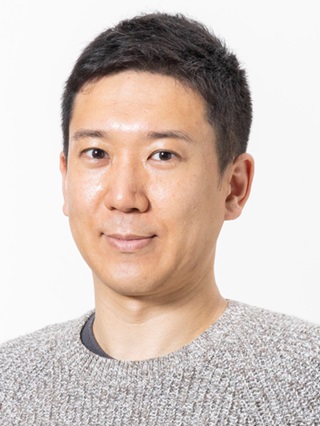
(Future Univ. Hakodate, Japan)
(NTT Basic Research Labs, Japan)
Program
| Time | Title / Author |
|---|---|
| 9:00-9:05 | Opening H. Yamamoto (Tohoku Univ., Japan) |
| Oral Session Chair: Y. Katori (Future Univ. Hakodate, Japan) | |
| 9:05-9:45 | Understanding brain function through neural manifolds J. A. Gallego (ICL, UK) |
| 9:45-10:10 | Spontaneous activity before learning, related with learning T. Kurikawa (Future Univ. Hakodate, Japan) |
| 10:10-10:20 | Break |
| 10:20-10:45 | How do neural networks measure time? Exploring reservoir computing approaches Y. Kawai (Osaka Univ., Japan) |
| 10:45-11:10 | Pseudovortex analysis of chimera states in neuronal networks Y. Yamada, K. Sakai, T. Inagaki, K. Inaba (NTT Basic Research Labs, Japan) |
| Poster Session ※ Posters should be prepared in A0 size (W84.1cm × H118.9cm). | |
| 11:10-11:55 | Temporal difference learning on reservoir computing using cultured neuron model S. Tanaka, Y. Ishikawa, H. Kato, H. Yamamoto, Y. Katori (Future Univ. Hakodate, Japan) Common functional-connectivity abnormalities in at-risk mental state and schizophrenia during resting-state EEG A. Ueno, Y. Higuchi, S. Tamura, S. Nakajima, Y. Okamoto, Y. Hirano, S. Nobukawa (Chiba Institute of Technology, Japan) The role of task difficulty in shaping learning strategies for cognitive flexibility M. Nakamura, T. Kurikawa (Future Univ. Hakodate, Japan) Emotions as whole-brain dynamics: A data-driven whole-brain model approach R. Yanagida, T. Kurikawa (Future Univ. Hakodate, Japan) Towards biologically plausible training of predictive coding-based recurrent spiking neural networks D. Noe, H. Yamamoto, Y. Katori, S. Sato (Tohoku Univ., Japan) A novel meta-heuristic method using BO-PSO parallel algorithm for fitting a qualitative neuron model Z. Yang, T. Kohno (Univ. Tokyo, Japan) Toward hardware implementation of a retina-inspired dynamic visual function H. Yokota, Y. Hayashida, S. Yasukawa (Kyushu Institute of Technology, Japan) Introducing synaptic scaling into learning in spiking neural networks S. Touda, H. Okuno (Osaka Institute of Technology, Japan) A neuro-inspired vision sensor that detects motion direction and its application to motion classification S. Kubo, H. Okuno (Osaka Institute of Technology, Japan) |
| 11:55-12:00 | Closing A. Hirano-Iwata (Tohoku Univ., Japan) |
Organizers
- Yuichi Katori (Future Univ. Hakodate, Japan)
- Hideaki Yamamoto (Tohoku Univ., Japan)
- Ayumi Hirano-Iwata (Tohoku Univ., Japan)
Sponsored by
- Grant-in-Aid for Transformative Research Areas (A) Multicellular Neurobiocomputing: Understanding and Advancing towards Biological Supremacy
Kick-Off International Symposium will be held in February.
2024.12.09
The 4th Symposium on Multicellular Neurobiocomputing
“The 4th Symposium on Multicellular Neurobiocomputing” will be held jointly with The 13th RIEC International Symposium on Brain Functions and Brain Computer and The 21st RIEC International Workshop on Spintronics.
Date: February 25-28, 2025
Format: Hybrid
On-site venue: Research Institute of Electical Communication, Tohoku University (Sendai, Japan)
Oral sessions will be broadcasted live via Zoom Meeting, and participants can choose to join either onsite or online.
Poster sessions will be held only at the onsite venue.
Please register via the application form above.
→ Free of charge. (Registration required)
Registration for onsite participation is due Jan. 17th.
Registration for online participation is open until the end of the symposium.
Invited Speakers
(University of Calgary, Canada)

(University of Bordeaux, France)
(Cortical Labs, Australia)
(University of Calgary, Canada)
(University of Calgary, Canada)
(University of Barcelona, Spain)
Speakers
Hideaki Yamamoto
(Area Representative / Group A02-1 PI: Tohoku University,
Japan)
Keita Tokuda
(Group A01-1 Co-I: Juntendo University, Japan)
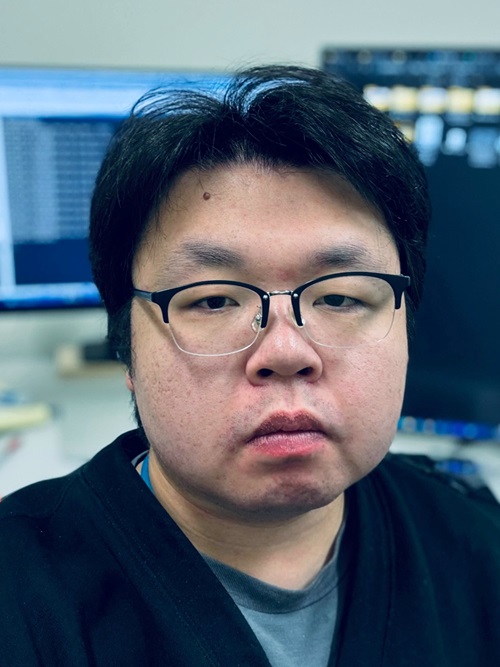
Ruixiang Li
(Group A01-2 Co-I: Doshisha University, Japan)
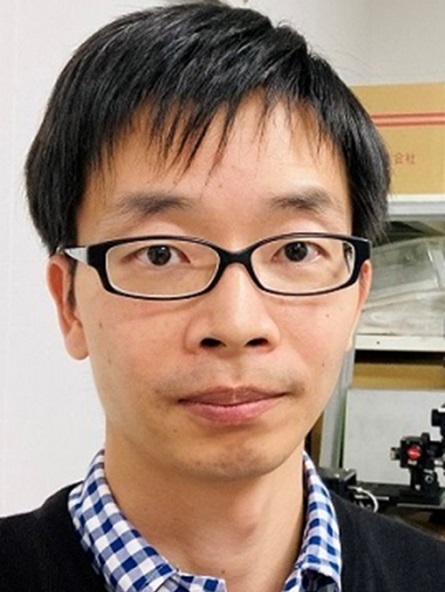
Hironobu Osaki
(Group A03-1 Co-I: Doshisha University, Japan)
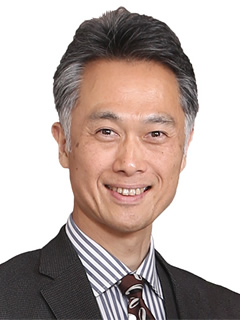
Yutaka Hirata
(Group A04-2 PI: Chubu University, Japan)
Poster Presentations
- H. Kamiya (Group A03-2 PI: Hokkaido University, Japan)
- R. Ota / S. Tanaka / Y. Ishikawa (Katori Group: Future University-Hakodate, Japan)
- K. Kawamoto (Matsui Group: Doshisha University, Japan)
- N. Monma / H. Murota / T. Sumi / D. Noè / Y. Sato (Yamamoto Group: Tohoku University, Japan)
- Y. Iida (Sato Group: Tohoku University, Japan)
- R. Onda / H. Kishida / Y. Kuwabara (Tanii Group: Waseda University, Japan)
- R. Mitsui / Y. Ishii (Morimoto Group: Waseda University, Japan)
- M. Sakaibara (Hirano-Iwata Group: Tohoku University, Japan)
- K. Uchino (Katsurabayashi Group: Fukuoka University, Japan)
- S. Numata (Masamizu Group: Doshisha University, Japan)
- Y. Zihan / H. Kurimoto / S. Furuichi / X. Qiang (Kohno Group: The University of Tokyo, Japan)
- Y. Yokota (Yasukawa Group: Kyushu Institute of Technology, Japan)
- S. Kubo / S. Touda (Okuno Group: Osaka Institute of Technology, Japan)
Technical Program (All times listed in JST [GMT +09:00])
Please refer to the link for the program below.
Social Program
- Feb. 26 th (Wed.) : Banquet (evening)
- Feb. 27 th (Thu.) : NanoTerasu Tour (AM)
Past Events
The 1st (kick-off) Symposium
The 2nd Symposium
The 3rd Symposium